Your Face as a Key: Understanding Reverse Image Search
They found your Instagram or Telegram after matching on PURE? It’s usually not a hack. It’s reverse searching — and once you know how it works, you can better protect what you share.
The "How Did They Know?" Mystery
You're on PURE for a reason. Maybe it's the thrill of the unknown, the freedom of radical honesty, or the desire to keep your private life exactly that: private. You don't link your Instagram. You don't use your real name. You don't even mention your profession.
Then a notification pops up on your Telegram. Or a "Follow Request" hits your personal Instagram from the person you were just chatting with. It feels like a glitch in the matrix, or worse, like someone is watching you.
Here's the thing: it's almost never a hack. It's almost never a security breach. It's something much more mundane, and much more worth understanding. It's called reverse searching, and once you know how it works, you can make informed choices about what you share and where.
So, What Is Reverse Search?
You know how a normal search works. You type words, you get images. Reverse searching flips that. You feed in an image and get back everywhere that image (or that face) appears online.
There are two flavors.
The Direct Match (Image Fingerprinting)
This is the straightforward one. Say you use a photo on PURE that also lives on your LinkedIn, your Facebook, or a public Instagram post from 2019 you forgot about. A tool like Google Lens can spot that match almost instantly. Same pixels, same photo, connected profiles. Done.

Your Space. Your boundaries.
The AI Scan (Biometric Recognition)
This one's newer, and it's worth paying attention to. These tools don't need the same photo. They need the same face. By mapping the geometry of your features, AI can scan public images across the internet and surface matches, even if the photo you used on PURE was taken five minutes ago and has never been uploaded anywhere else.
If your face appears on any public-facing website, that's enough for AI to draw a line between your anonymous profile and your real name.
What You Can Actually Do About It
None of this is meant to scare you off sharing photos. It's context. And context is what lets you make smart decisions instead of anxious ones.
The reality is that a few small, deliberate habits go a long way. Here are the ones that matter most.
Use photos that only exist on PURE. This is the single most effective thing you can do. If a photo has never touched Instagram, LinkedIn, or Facebook, fingerprinting tools have nothing to match it against. Take a few fresh shots specifically for your profile. Think of them as PURE-exclusive.
Be thoughtful about how you show your face. You don't have to hide it. But angles, lighting, and cropping all affect how easily AI can map your features. A candid shot from the side, a photo with interesting shadows, a crop that shows personality without a full passport-style portrait. These small choices make facial recognition significantly less reliable. Some people save the clear face shot for after they've built a bit of trust. That's a perfectly reasonable approach.
Google yourself. Seriously. Spend five minutes. Upload your own photo to Google Lens. You might find an old conference headshot, a tagged photo on a friend's public account, or a dating profile you deactivated but never deleted. You can't manage what you don't know exists.
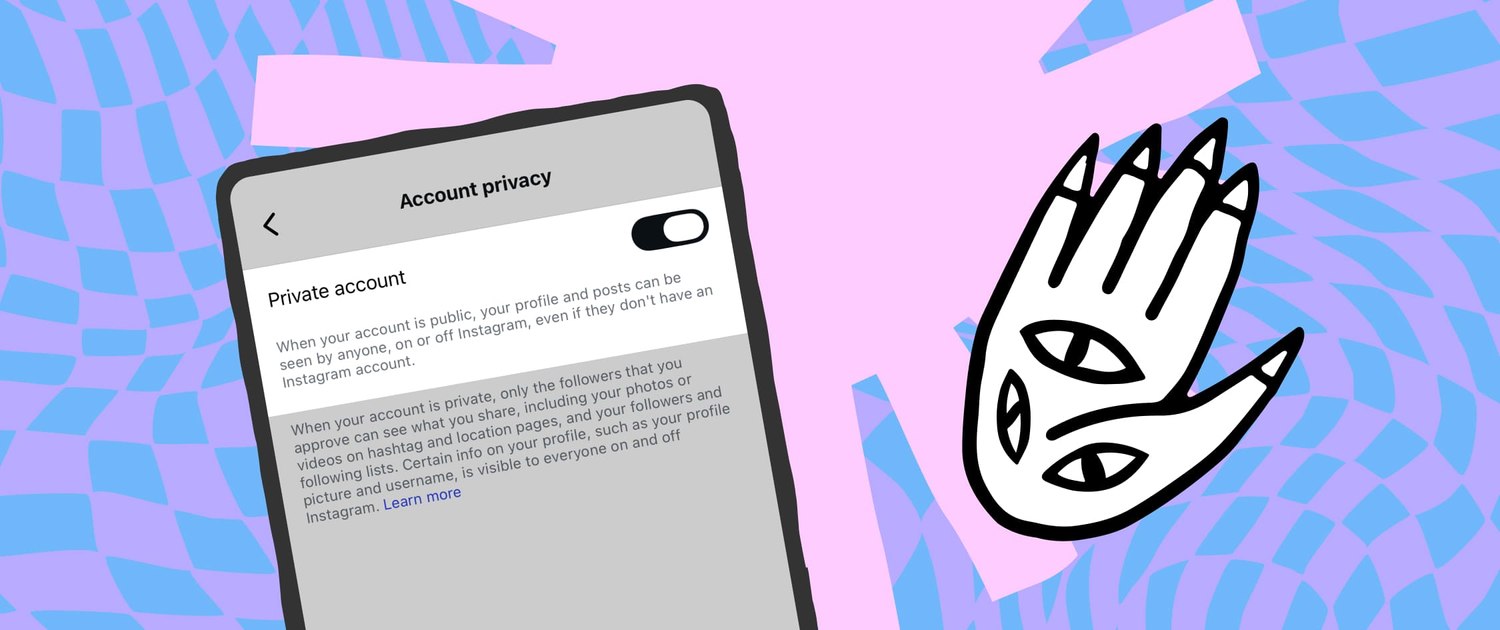
Lock down your social media. Set Instagram and Facebook to private. Review your tagged photos. Remove anything you don't want indexed. Every public photo of your face is a data point that reverse search tools can work with, so the fewer that are out there, the harder it is to identify you.
How PURE Thinks About This
PURE wasn't built to be another dating app with a swipe mechanic bolted on. It was built around the idea that your profile is a signal, not a permanent record. Chats expire. Profiles change. There's no social graph connecting you to friends or followers. And PURE will never ask you to link a social media account.
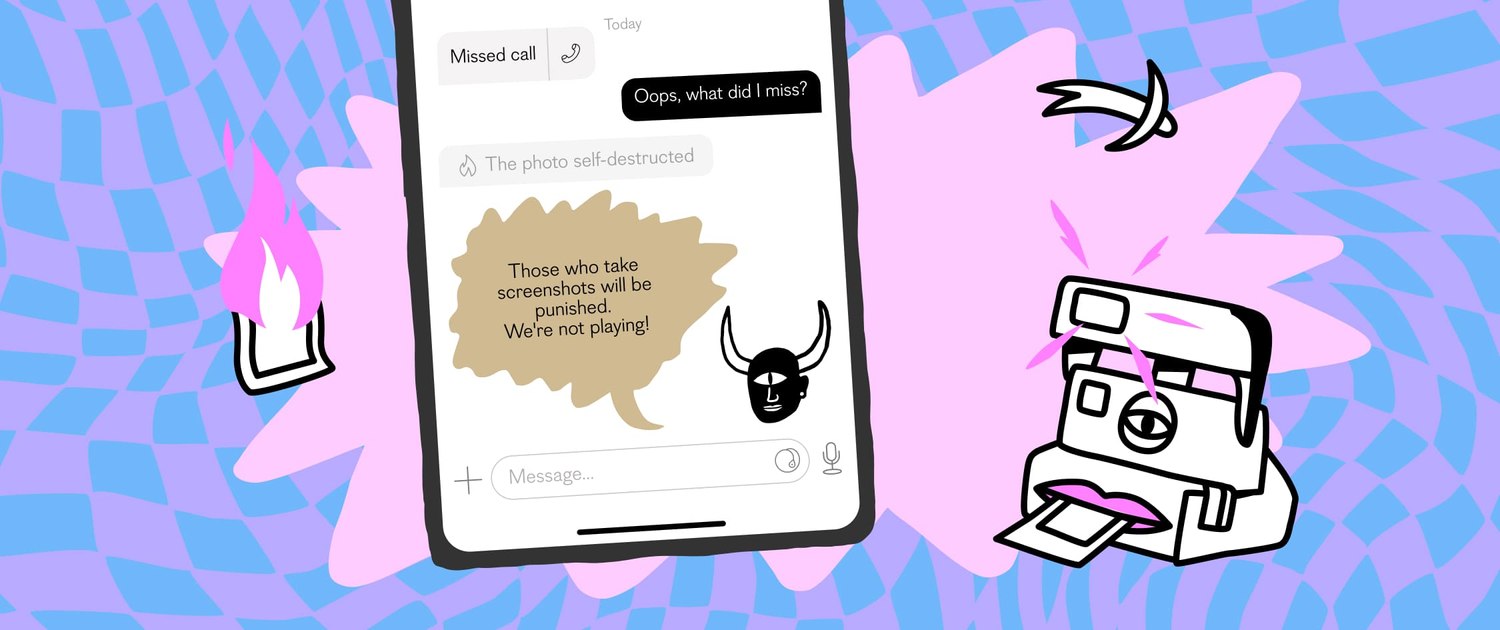
There's also built-in screenshot protection. If someone tries to capture your profile or chat, the app blocks it. Now, is that bulletproof? No. Someone could always use a second device to photograph their screen. But that gap between a casual one-tap screenshot and a deliberate act with a second phone is meaningful. Most impulsive attempts to save your photos simply won't work.
If someone does use reverse searching to find you outside the app, that's a boundary violation, and you can report it. PURE's moderation team treats this seriously. Privacy here isn't a feature buried in settings. It's the foundation.
The Bottom Line
Reverse searching is real, it's accessible, and it's not going away. But protecting yourself doesn't require a degree in cybersecurity. Fresh photos, a quick self-audit, tighter privacy settings on your existing accounts. That's most of it.
You chose PURE because you wanted a space where you set the terms. This is just one more way to make sure you actually do.
